Medical Check Up
As an embroidery designer and product reviewer, I’ve seen my fair share of digital files. But when I first opened the Medical Check Up design, I immediately recognized its potential for real-world use. This is not just another generic illustration—it’s a well-crafted piece that could work in a variety of practical embroidery projects. Let me walk through how it performs in actual use and where it might shine or fall short.
The First Impression
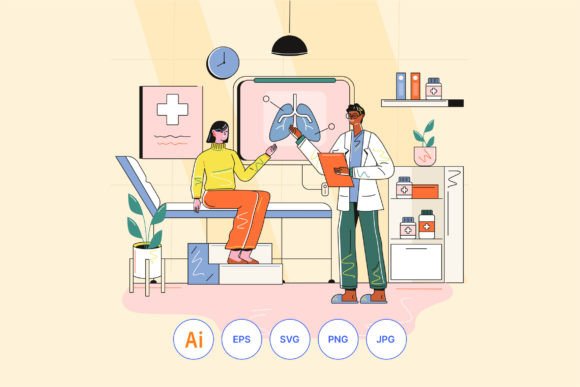
Medical Check Up has a clean, professional look that leans into the theme of healthcare and wellness. The layout is balanced, with clear visual hierarchy and enough detail to make it recognizable without being overly complex. It feels like a design that would fit naturally on a custom embroidered tote bag, a sweatshirt, or even a baby onesie. The shape is simple enough for most hoop sizes but still offers enough structure to be visually appealing.
It’s not the kind of design you’d want to stitch onto a delicate fabric without testing first, but it’s definitely something that could work well on a range of materials—especially if you’re careful with your stabilizer and thread choices.
Real-World Embroidery Use Cases
Imagine you’re working on a custom tote bag design for a local clinic or a wellness center. Medical Check Up could serve as a central motif, adding a touch of professionalism and clarity to the finished product. It also works well as an embroidered patch for a medical-themed apron or a nurse’s uniform. The design isn’t too intricate, which means it should translate well to both small and large hoop sizes.
If you're an Etsy seller or a craft business owner looking to expand your product line, this design could be a solid addition to your collection. It’s versatile enough to be used on a wide range of items, from holiday gifts to personalized gifts for healthcare professionals. The simplicity of the design also makes it easy to pair with other elements, such as text or additional graphics.
Where to Be Careful
While Medical Check Up is a strong design, there are some areas where caution is needed. For instance, if you're planning to use it on a small hoop, you may need to adjust the size or simplify parts of the design to ensure it fits properly. Thin or stretchy fabrics can also be tricky, especially if the design includes dense stitch areas or detailed corners.
Dark fabrics require extra attention to thread color contrast. If the design uses light-colored threads, they might not show up well against a dark background. Similarly, if you're working with textured or thick fabrics, you may need to adjust your stabilizer to prevent puckering or distortion.
For baby items or products that will see frequent washing, it’s important to test the design on a scrap fabric first. Make sure the stitching holds up over time and that the design doesn’t lose its clarity after multiple washes.
Impact on Visual Appeal and Customer Trust
When it comes to visual appeal, Medical Check Up delivers a clean, professional look that can elevate any handmade product. It adds a sense of quality and intentionality, which can be crucial for customer trust. A well-designed embroidery project often signals to buyers that the product is thoughtfully made and worth their investment.
This design also supports brand consistency. If you're running a boutique or a small shop, having a design that aligns with your overall aesthetic can help reinforce your brand identity. It’s especially useful for businesses that focus on health, wellness, or professional themes.
Practical Designer Notes
Before using Medical Check Up in any project, I always recommend testing it on scrap fabric. This helps you understand how the design looks in real life and whether it needs any adjustments. Pay close attention to stitch density—too much can cause the fabric to pucker, while too little can make the design look sparse.
Check your hoop size to make sure the design fits comfortably. If it’s too big, you may need to scale it down or split it into sections. Also, review the small details carefully. Tiny lettering or intricate lines might not show up well depending on the fabric and thread choice.
Testing the design in black and white mockups can also be helpful. This allows you to see how it looks without color distractions and ensures it remains legible in different contexts. Compare it against both light and dark fabric backgrounds to confirm the visibility of thread colors.
Lastly, always use the right stabilizer for your fabric type. Proper support can make a huge difference in the final appearance of your embroidery. And don’t forget to check the licensing terms before selling finished items or digital products. Even though this design is crafted by Orenjistudio, it’s always good to verify what you’re allowed to do with it.
Final Thoughts
Medical Check Up is a solid choice for designers looking for a clean, professional-looking embroidery file. It’s versatile enough to work on a variety of projects, from custom apparel to personalized gifts. With the right approach, it can add value to your product line and enhance the overall quality of your handmade items.
Whether you're an embroidery designer, a small business owner, or a hobbyist, this design offers practical insights and real-world usability. Just remember to test it thoroughly and consider the specific needs of your project before moving forward.