Insurance Services Document. Medical Car Graphics & Illustrations
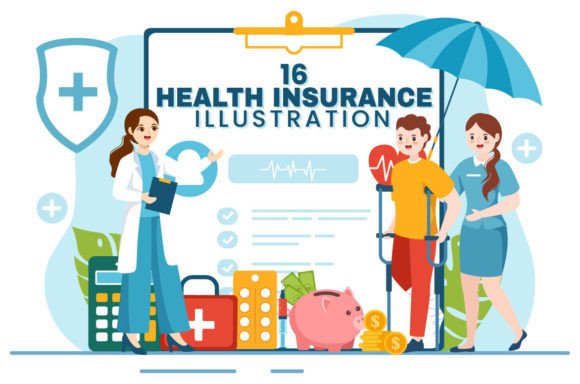
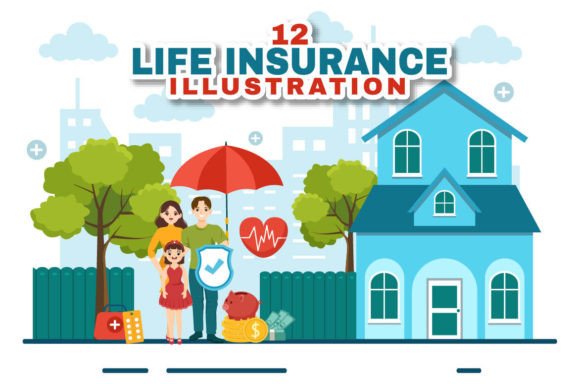
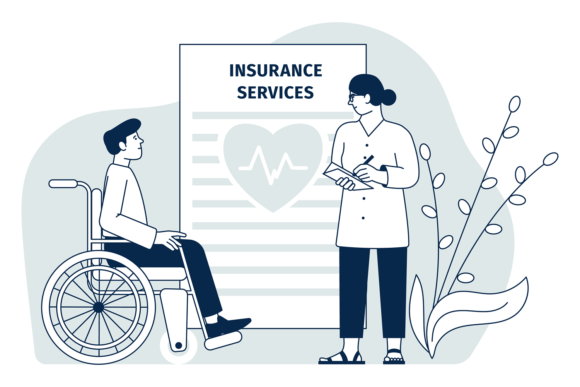
As a brand designer who has spent the last decade helping local entrepreneurs turn their passions into recognizable businesses, I approach every new graphic design asset with a critical eye. It is not enough for an image to look good on a screen; it must hold its weight on a physical product label, survive the compression of social media algorithms, and communicate a specific brand personality instantly. Recently, I evaluated the Insurance Services Document. Medical Car collection for a potential project involving a mobile health clinic and a senior care transport service. This review breaks down how this specific set of Illustrations and Graphics performs in real-world small business branding scenarios.
First Impressions: Trust, Clarity, and Professionalism
Upon opening the files, the immediate mood established by the Insurance Services Document. Medical Car assets is one of reliability and structured care. Unlike playful or rustic illustrations often found in handmade business sectors like bakeries or florists, these graphics carry a corporate yet accessible weight. They suggest a brand personality that is organized, protective, and efficient. For a local business operating in the healthcare or logistics sector, this visual tone is invaluable. The clean lines and isolated presentation on a white background indicate a modern design aesthetic that prioritizes clarity over decoration. This makes the asset particularly suitable for brands that need to establish immediate customer trust, such as insurance brokers, medical transport companies, or wellness coordinators.
Strategic Applications for Local Business Branding
The versatility of this graphic design asset extends far beyond simple website decoration. In my evaluation for a mobile medical unit, I envisioned several high-impact applications. Primarily, these Illustrations serve as excellent components for logo design. The distinct imagery of the medical car paired with document motifs can be simplified to create a memorable mark that fits on the side of a vehicle or a lapel pin. Furthermore, for packaging design related to medical kits or welcome packages for new patients, these graphics provide a clear visual hierarchy. They can be used as hero graphics on brochures, informational flyers, and even on the exterior of product boxes containing health supplies.
Beyond physical print, the digital utility is significant. For social media graphics, the transparent PNG versions allow marketers to overlay these images on branded backgrounds without unsightly white boxes, creating polished posts for Instagram or LinkedIn. They are also ideal for marketing visuals such as email headers, website banners, and digital ads where the concept of "protected travel" or "documented care" needs to be communicated quickly. For a creative entrepreneur managing a health-tech startup, these assets can elevate product mockups by adding context to app interfaces or service diagrams.
Elevating Brand Presentation and Customer Trust
In the competitive landscape of commercial design, first impressions dictate survival. Using high-quality assets like the Insurance Services Document. Medical Car contributes to a stronger first impression by signaling professionalism. When a customer sees consistent, well-rendered Graphics on a product label or a business card, it subconsciously reinforces the idea that the business itself is competent and detail-oriented. This leads to better product recognition and improved customer trust. For service-based businesses, where the "product" is intangible, these visual anchors provide something concrete for the client to associate with the brand promise of safety and care.
The asset supports a more professional brand identity by offering a cohesive visual language. Whether used on hang tags for medical equipment, thank-you cards included in service folders, or seasonal campaign visuals promoting flu-shot drives, the consistency of the illustration style ensures the brand feels unified. This cohesion creates a stronger emotional connection, as clients feel they are dealing with an established entity rather than a makeshift operation.
Ideal Use Cases and Strategic Placement
To maximize the return on investment for this digital product, it is best deployed in specific areas. It works exceptionally well as a decorative brand element on large-format prints like posters and trade show banners. It serves as a powerful accent on packaging design for health-related subscription boxes or emergency kits. For web design, these SVG design files are perfect for iconography within service lists or feature sections, ensuring crisp rendering on any device resolution. Additionally, they are highly effective for printable design elements such as intake forms, insurance explanation sheets, and informational inserts where visual cues help break up dense text.
Cautions and Design Constraints
However, a seasoned designer knows that no asset is universal. The Insurance Services Document. Medical Car graphics should be used carefully in contexts that require extreme minimalism or luxury aesthetics. They may feel too literal or busy for a high-end spa brand aiming for an abstract, serene vibe. Designers should avoid placing these graphics on very small labels where the details of the car or document text might blur, compromising legibility. They are also not suitable for crowded product packaging where ingredient lists or legal information take precedence; in such cases, the decoration might compete with important text, violating principles of clear visual hierarchy. Furthermore, using these on low-contrast backgrounds without proper outlining could render the details invisible.
Practical Notes for the Working Designer
Before integrating this asset into a client project, I recommend a rigorous testing protocol. First, test the graphics on real product mockups to see how they interact with physical textures like cardboard or plastic. Check the black and white usage extensively, as many official documents and receipts are printed in monochrome; ensure the Illustrations retain their shape and meaning without color. Preview the asset on small labels to confirm scalability. When testing with brand colors, ensure the palette complements the clinical yet warm nature of the medical theme.
It is also crucial to compare the asset against competitor packaging to ensure your local business stands out rather than blends in. Review the PNG design transparency edges for any halos, and inspect the SVG design or vector editability to ensure you can recolor elements to match specific brand guidelines. Experiment with pairing the graphics alongside serif fonts for a traditional, trustworthy feel, or sans serif fonts for a modern, efficient look. Finally, and most importantly, always confirm the commercial license terms. Ensure you have the rights to use these design assets for client work, physical product sales, and unlimited reproductions before committing to them in a final professional branding package.