Ankle Injury Bandage: A Designer's Review for Medical Embroidery
As a designer who spends more time staring at stitch maps than most people care to admit, I approach every new machine embroidery design with a healthy dose of skepticism. We have all been burned by beautiful preview images that turn into thread nests on the hoop. So, when I pulled up the files for Ankle Injury Bandage. Trauma Treatment M, my first instinct wasn't to click "buy," but to analyze its potential life outside the computer screen. This isn't just a graphic; it is a specific medical illustration intended for real-world application, and that carries a different weight than a decorative flower or a cute animal.
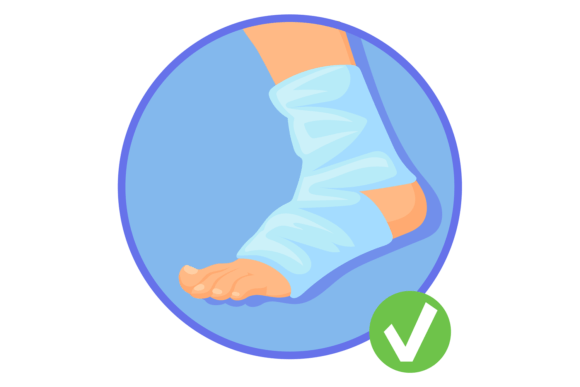
The initial impression of this Illustrations asset is one of clinical clarity. The layout is straightforward, focusing on the anatomy of the injury and the method of treatment. For an embroidery project, this is crucial. When you are translating a digital image into thread, complexity can be the enemy. The visual personality here feels professional and instructional. It creates a mood of care and recovery, which makes it a perfect fit for specific niches like physical therapy clinics, sports medicine apparel, or even supportive gifts for someone recovering from a sprain. It doesn't try to be overly cute, which preserves its integrity as a serious subject matter.
Visualizing the Stitch-Out in Real Scenarios
I immediately started mentally placing this design on various substrates to see where it truly shines. My first thought went to custom apparel for medical professionals. Imagine a high-quality scrub top or a clinic polo shirt featuring this motif on the chest pocket area. It serves as an instant identifier of specialty without needing text. However, the real potential lies in the realm of personalized gift items for patients. Picture a cozy sweatshirt embroidery project for a friend who just twisted their ankle skiing. Adding a small, tasteful version of this bandage design near the cuff or on a patch sewn onto the knee could be a humorous yet supportive gesture.
For those running a craft business or operating as an Etsy seller, this Graphics file opens up opportunities for niche merchandise. Think about embroidered patch production. A circular or rectangular patch featuring this trauma treatment illustration could be sold to hikers, athletes, or first aid enthusiasts to iron onto backpacks or gear bags. The isolation on a white background in the source files suggests it will digitize cleanly, allowing you to create a sharp finished product. It also works well for tote bag design, specifically for bags meant to carry first aid kits or medical supplies, adding a layer of thematic consistency to the item.
Navigating Technical Challenges and Fabric Choices
While the concept is strong, we must talk about execution. Medical illustrations often rely on fine lines to show detail, and this is where the Ankle Injury Bandage. Trauma Treatment M requires careful handling. If you are planning to stitch this on textured fabric like a heavy towel or a rough canvas, you might lose some of the finer definition of the bandage wrapping. In these cases, I recommend simplifying the digitizing if you are doing it yourself, or ensuring the purchased embroidery file has appropriate underlay stitches to prevent the fabric from peeking through.
There are specific scenarios where you need to proceed with caution. If you are working with stretchy fabric, such as performance wear for athletes, the density of the stitches becomes critical. A dense fill stitch area representing the solid parts of the bandage could restrict the stretch of the garment or cause puckering over time. Similarly, if you attempt this on a curved surface like a cap, the alignment of the ankle illustration needs to be precise so it doesn't look distorted when worn. Small hoop sizes might also limit your ability to capture the full scope of the trauma treatment details, so check the dimensions before committing to a tiny placement on a baby onesie or a pocket.
Color choice is another vital consideration. While the preview likely shows standard skin tones and white gauze, don't be afraid to experiment with thread colors for different effects. On dark fabrics, a high-contrast white or light gray satin stitch outline can make the design pop, whereas monochromatic threading might offer a more subtle, sophisticated look for boutique branding. Always test your design in black and white mockups first to ensure the shapes remain recognizable without relying on color cues.
Building Trust and Professionalism Through Detail
Using a specific medical illustration like this affects more than just the aesthetics; it impacts customer trust. If you are selling commercial embroidery services to clinics or creating products for the healthcare market, accuracy matters. A sloppy stitch-out of a medical procedure can look unprofessional and undermine the perceived value of your handmade product. Conversely, a crisp, clean execution of Ankle Injury Bandage. Trauma Treatment M signals attention to detail and respect for the subject matter. This level of professionalism enhances brand consistency and can significantly boost buyer engagement, especially among clients looking for specialized, non-generic designs.
For the small shop product creator, this design asset offers a way to stand out. Instead of generic "get well soon" messages, you are offering a visually accurate representation of care. This specificity helps in creating memorable holiday embroidery gifts or unique items for trade shows. It transforms a simple piece of fabric into a conversation starter, increasing the likelihood of social media shares and word-of-mouth marketing for your business.
Final Verdict and Practical Designer Notes
Before you load this into your machine, there are a few non-negotiable steps I always take. First, test the design on scrap fabric that matches your final project material. This is the only way to truly gauge how the stitch density interacts with the weave. Second, verify the hoop size requirements. Even though the title suggests a medium size ("M"), always measure the actual stitch area to ensure it fits your available hoops without excessive re-hooping.
Since the product description mentions formats like EPS, JPG, SVG, and PNG, remember that these are primarily design assets for graphics. If you are purchasing this specifically for embroidery, ensure you have access to a proper digital embroidery file format compatible with your machine (like PES, DST, or XXX). If the listing only provides vector or raster images, you will need to digitize it yourself or hire a digitizer to convert the Illustrations into a stitch file. Do not assume the JPG will embroider itself.
Finally, always confirm the licensing terms. If you plan to sell printable mockup previews or finished goods featuring this trauma treatment image, you need to know if the license allows for commercial use. Some creators restrict the sale of items containing their medical illustrations. Once you have cleared those hurdles, Ankle Injury Bandage. Trauma Treatment M stands out as a versatile, meaningful addition to your library. It bridges the gap between clinical accuracy and creative expression, offering a unique tool for designers who want to create products with purpose and precision.