Review: Respiratory Therapist Life 20oz Skinny Design
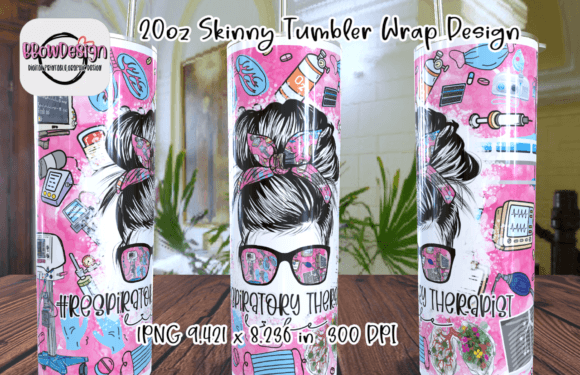
As a designer who spends more time staring at stitch maps than most people care to admit, I approach every new machine embroidery design with a mix of curiosity and skepticism. When I first pulled up the files for the Respiratory Therapist Life 20oz Skinny, my initial reaction was one of pleasant surprise regarding its versatility. While the product title suggests it is intended for Tumbler Wraps and sublimation on 20oz skinny tumblers, the core Graphics possess a clean, bold aesthetic that translates surprisingly well to thread work. This isn't just a PNG meant for heat transfer; with the right digitizing adjustments or if you are working with a high-quality embroidery file version, this theme offers a fantastic opportunity for creating meaningful, niche-specific merchandise.
First Impressions and Visual Personality
The mood of this design is professional yet approachable. It captures the essence of the "Mom Messy Bun" culture often seen in nursing and healthcare circles but tailors it specifically to the respiratory field. The layout typically features a balance between typography and iconography, likely incorporating stethoscopes, lungs, or medical crosses intertwined with the text. For an embroidery project, this visual personality is crucial. It avoids being overly clinical while maintaining the dignity of the profession. The lines appear crisp, which suggests that if converted or purchased as a proper digital embroidery file, it should handle satin stitch borders and fill stitch areas without excessive pull or distortion. The design feels modern, making it suitable not just for traditional scrubs but for the casual, lifestyle apparel that healthcare workers wear off the clock.
Real-World Application Scenarios
Let's move beyond theory and talk about how I would actually use this in a real shop scenario. Imagine a local respiratory therapist coming into your boutique looking for a gift for her mentor, or perhaps a treat for herself after a grueling flu season. While the original concept targets a tumbler, I see immense potential in adapting this for a custom sweatshirt embroidery project. Picture a heather grey crewneck with this design stitched prominently on the left chest or centered on the back. The "Life" aspect of the text resonates deeply when worn as part of a daily uniform or comfort wear.
Another strong contender for this design is a heavy-canvas tote bag design. Respiratory therapists often carry charts, tablets, and personal items between shifts. A sturdy tote featuring this artwork serves as both a practical tool and a badge of honor. If you are an Etsy seller or run a small shop product line, consider offering this as part of a "Healthcare Hero" collection. It works beautifully on aprons for those who teach or demonstrate equipment, and even on embroidered patch blanks that can be ironed or sewn onto lab coats. The key here is recognizing that while the source material mentions tumblers, the handmade product value skyrockets when you translate that graphic energy into textured thread on fabric.
Navigating Technical Challenges
However, enthusiasm must be tempered with technical reality. Not every graphic translates perfectly to needle and thread without consideration. If you are working with the Respiratory Therapist Life 20oz Skinny concept on fabric, you need to be mindful of stitch density. Medical-themed designs often include fine details like small text or intricate line work in logos. On a textured fabric like a pique polo or a fuzzy fleece sweatshirt, tiny lettering can get lost or become illegible.
You must also consider the hoop size constraints. If the design is wide to fit a skinny tumbler wrap, it might require a large hoop for embroidery, limiting where you can place it on smaller items like caps or baby clothes. Speaking of caps, curved surfaces present a challenge; the design might need to be split or simplified to avoid puckering on the front panel of a hat. Furthermore, if you are stitching on dark fabric, ensure your thread colors have enough contrast. A white fill on black cotton looks striking, but if the design relies on subtle shading, it may flatten out. Always test on scrap fabric first. Check how the stabilizer interacts with the material; stretchy fabrics will require a cut-away stabilizer to prevent the design from warping after washing.
Strategic Use for Commercial Success
For those running a craft business, the viability of this design hinges on execution. Customers trust quality. If the finished product shows gaps in the fill or the edges of the satin columns are fraying, it reflects poorly on your brand. This design should be used to build customer trust and brand consistency. It is perfect for holiday embroidery gifts, such as Christmas ornaments for hospital units or appreciation gifts during Respiratory Care Week.
When marketing this as a personalized gift, emphasize the customization aspect. Can you add a name below the main graphic? Does the design allow for variable data stitching? These factors increase the perceived value. For commercial embroidery projects, ensure you have the correct licensing. Just because a graphic is available for sublimation does not automatically grant rights for digitizing and selling the embroidery version. Always verify the license terms before listing items in your online store or at craft fairs.
Final Verdict for Makers and Designers
In conclusion, the Respiratory Therapist Life 20oz Skinny theme is a winner for the right applications. It bridges the gap between professional pride and casual style. Whether you are creating a baby embroidery item for a new RT parent or a durable custom apparel piece for a seasoned veteran, the design holds up well conceptually. My advice is to treat the original graphic as a inspiration board. If you are digitizing it yourself, focus on simplifying complex gradients into solid thread blocks. If you are buying a pre-made file, inspect the stitch count and underlay settings.
Remember to create printable mockup previews for your clients so they can visualize the design on different garment colors before you commit to stitching. By paying attention to the details—like thread sheen, fabric choice, and placement—you transform a simple graphic into a cherished embroidery project. This design has the potential to be a staple in your portfolio, provided you respect the limitations of the medium and prioritize quality over speed. Happy stitching!